Why is that there?
Field notes on the dams, railways, bridges, and waterways that explain why Japan looks the way it does.
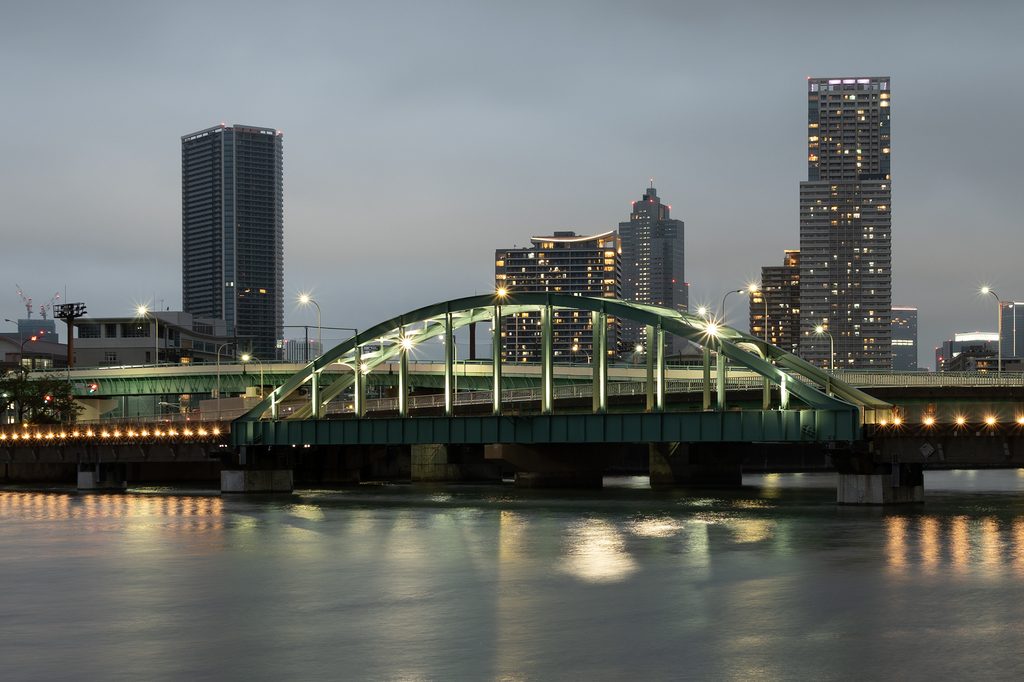
You may already know the photos. A tiny station in the middle of a mountain lake. A suspension bridge over milky-blue water. Japan’s landscapes travel the world on Instagram — but the photos never tell you why those things are there.
That “why” is what I walk for. A station stands in a lake because a railway refused to die. A bridge is that strange shade of blue because of what sunlight does in dam water. Behind almost every beautiful, slightly odd view in Japan, there is a story of water, rails, and concrete — and almost none of it has ever been told in English.
This site is not a translation of my Japanese site. Think of it as a small annex: a hand-picked shelf of walks where the story behind the scenery is worth the trip in itself. Every article here keeps the same promise — I walked it myself, I’ll tell you why it’s there, and I’ll give you what you need to walk it too.
Start here: Tokyo
Not every story is in the mountains. In the middle of Tokyo, on reclaimed land between the old fish market and the Olympic village, a freight railway once carried coal, wheat, and newsprint from the docks to the edge of the city. One bridge of that railway survived — and in 2025, thirty-six years after the last train, people started walking across it.
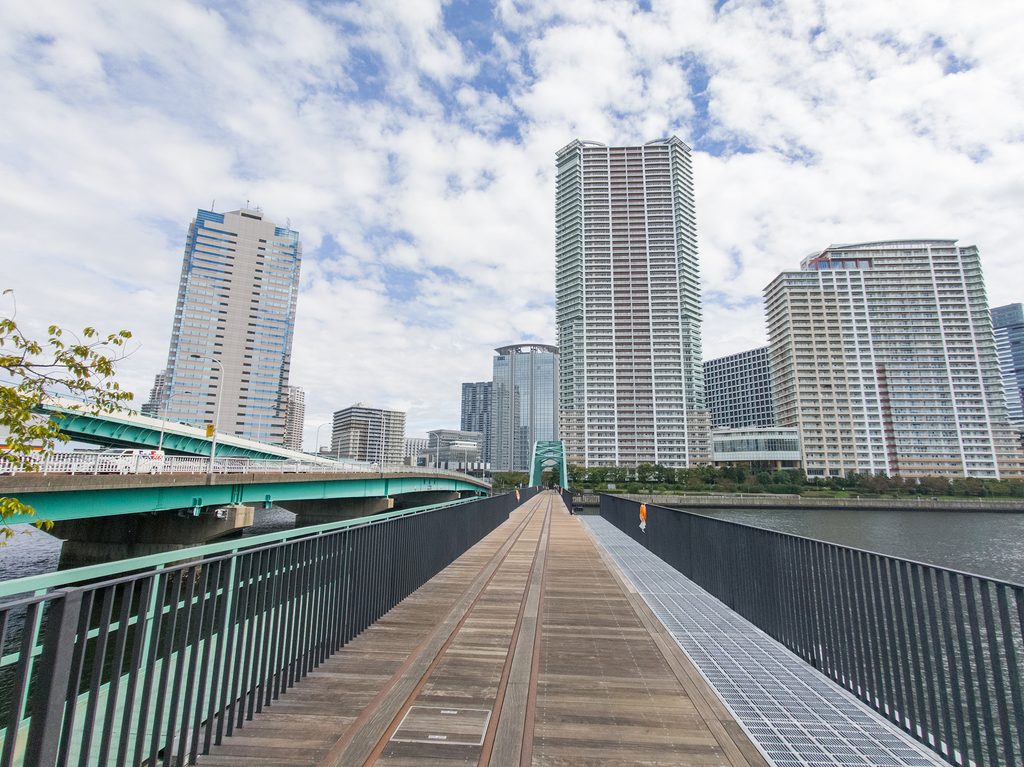
Walk · Harumi Canal, Tokyo · 1 hour
The Trains Are Gone, and People Cross: Walking the Old Harumi Railway Bridge
A 1957 freight bridge, rusted for decades, repainted in its original green and reopened as a walkway — with the rails still set into the floor.
Who writes this?
About the author — who walks these places, and why.